· 6 min read
Optimizing Aqual Water Systems in Desalination Plants
Discover practical optimization strategies for aqual water systems in desalination plants. Learn how to reduce energy and extend RO membrane lifespan.
Optimizing Aqual Water Systems in Desalination Plants
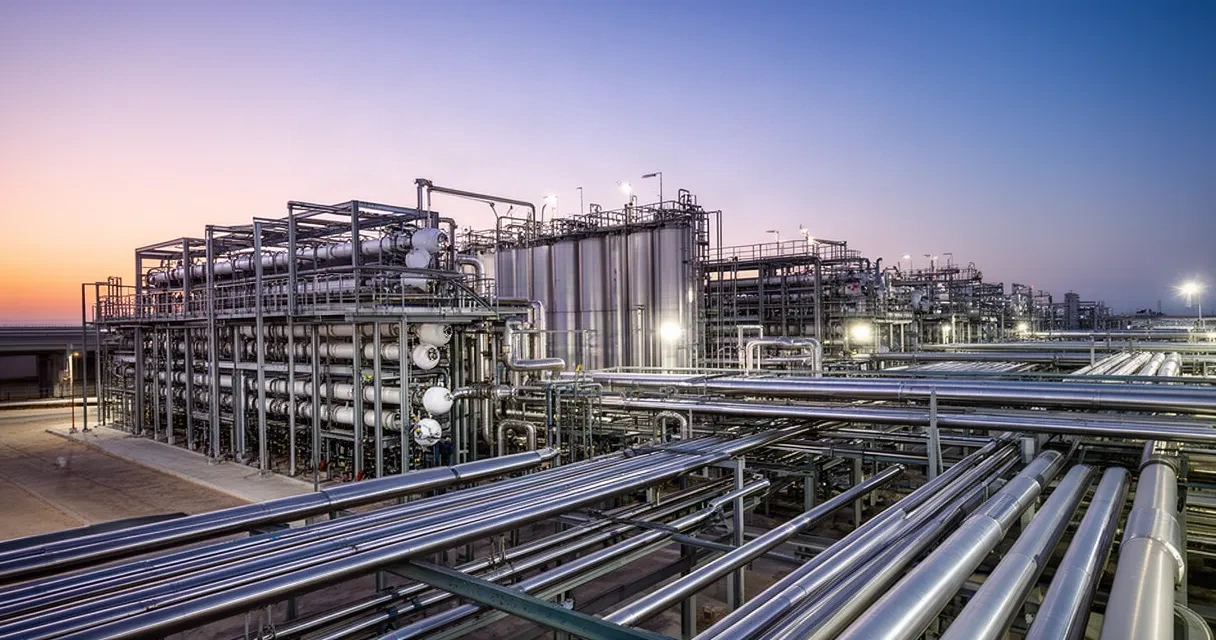
Global demand for fresh water is surging, making desalination a cornerstone of our modern water supply. Yet, running a desalination plant is an incredibly complex and energy-intensive endeavor. Plant managers and engineers constantly juggle the need to maximize output while keeping operational costs and environmental impacts low. To succeed, facilities must meticulously optimize their aqual water systems. By fine-tuning the processes that govern water intake, pre-treatment, and purification, plants can dramatically boost their efficiency and sustainability. This guide explores practical ways to optimize reverse osmosis (RO) systems, leverage artificial intelligence, and cut energy use in modern desalination facilities.
Understanding Aqual Water Systems in Modern Desalination
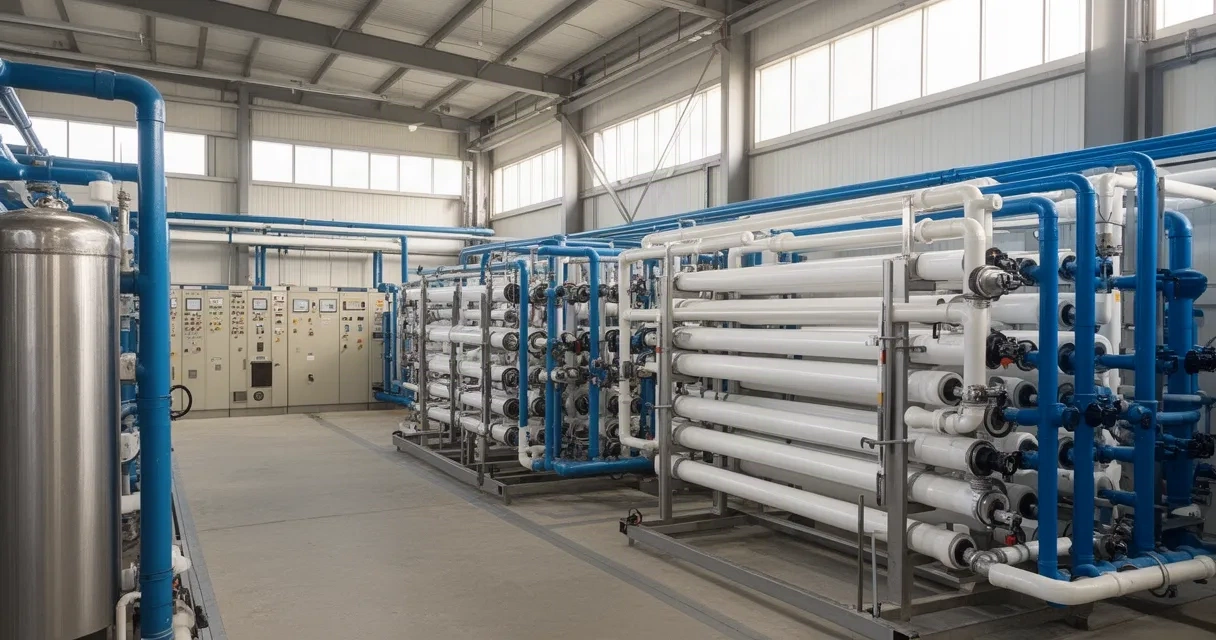
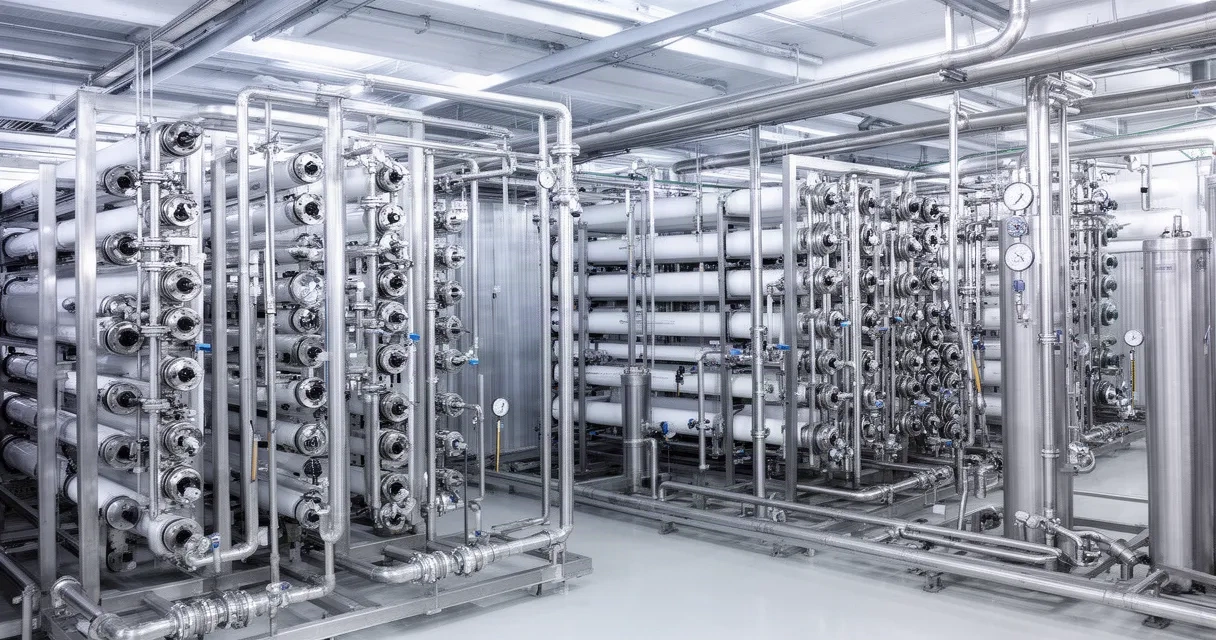
In a desalination plant, an aqual water system is a comprehensive network of physical, chemical, and mechanical processes designed to turn seawater or brackish water into safe drinking water. Modern desalination relies on a carefully synchronized sequence: intake, pre-treatment, reverse osmosis, and post-treatment (such as remineralization and disinfection).
Optimizing this system demands a holistic approach. A bottleneck or inefficiency early in the intake or pre-treatment phase will inevitably ripple downstream, stressing the RO membranes and spiking energy costs. For engineers, grasping these interdependencies within the aqual water system is step one toward effective optimization. It’s not enough to simply maximize the RO stage’s output; the feed water must hit the membranes at the exact pressure, temperature, and chemical balance needed to ensure maximum flux and minimal wear.
Key Strategies for Reverse Osmosis Membrane Optimization
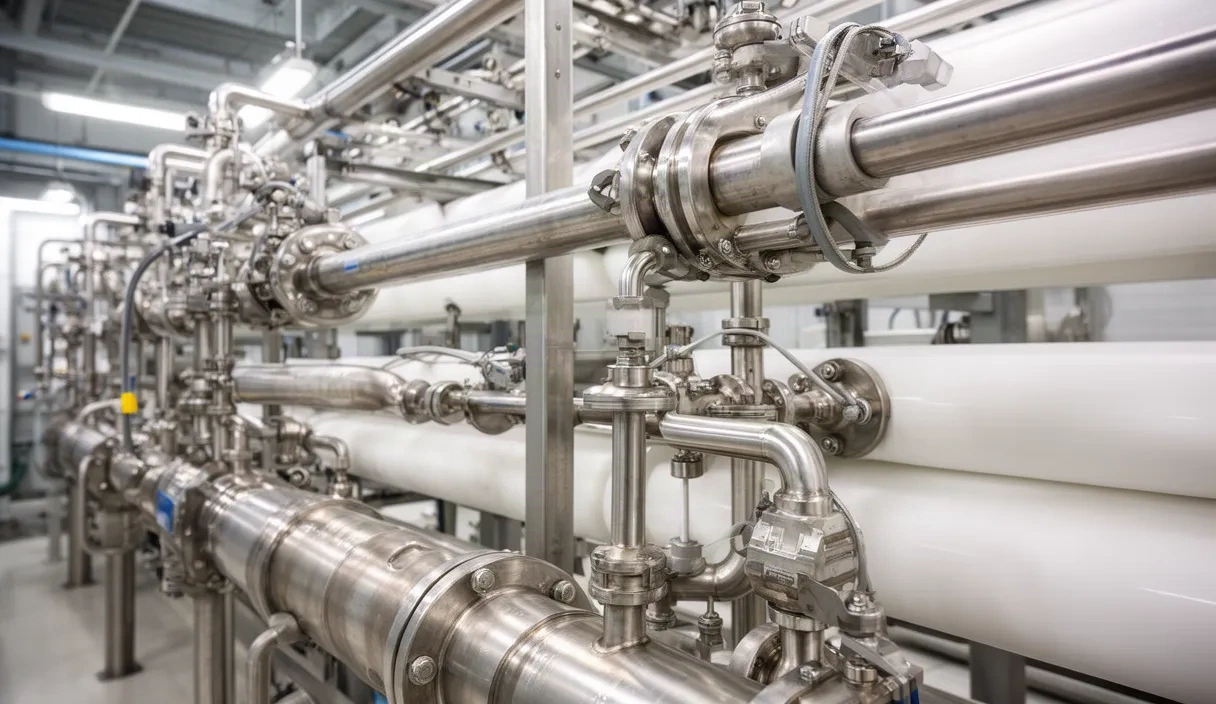
The reverse osmosis stage is the heart of any desalination plant, and its membranes represent a major capital investment. Keeping RO membranes performing well is vital for maintaining high water quality and extending their lifespan. Plant managers should put the following practical strategies into action:
1. Enhance Pre-Treatment Processes
Good pre-treatment is your best shield against membrane fouling. Depending on the feed water quality, this might involve coagulation, flocculation, sedimentation, and multi-media filtration. Adding ultrafiltration (UF) or microfiltration (MF) as a pre-treatment step can drastically lower the feed water’s silt density index (SDI), keeping particulates away from the sensitive downstream RO membranes.
2. Optimize Anti-Scalant and Chemical Dosing
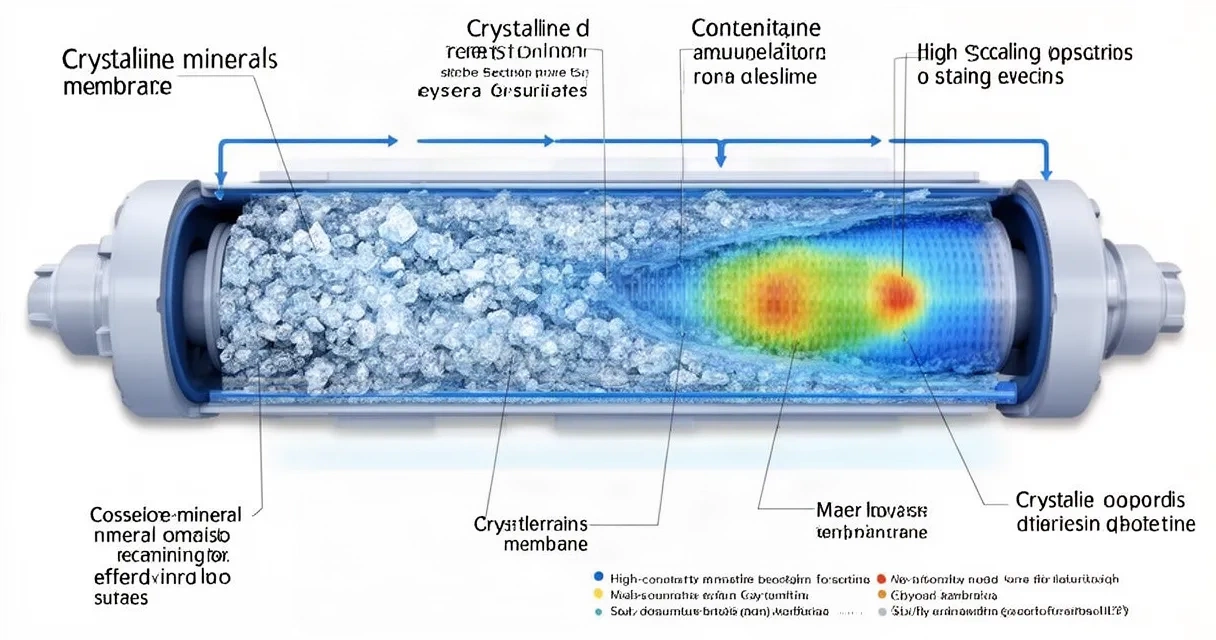
Scaling happens when dissolved salts precipitate onto the membrane surface. To stop this, you need precise anti-scalant dosing. Overdosing wastes chemical money and can actually foul the membrane with the anti-scalant itself, while underdosing risks irreversible scaling. Engineers should frequently calibrate dosing pumps and tweak chemical feed rates using real-time feed water analysis.
3. Implement Optimal Recovery Rates
The recovery rate—the ratio of permeate water to feed water—needs a careful balance. Pushing for higher recovery boosts fresh water output, but it also concentrates salts on the brine side, raising scaling risks and requiring higher feed pressure. Finding that sweet spot ensures you balance maximum production with membrane longevity.
4. Standardize Clean-In-Place (CIP) Protocols
Routine cleaning is key to restoring membrane performance. A solid CIP protocol shouldn’t just be on a calendar; it should trigger based on specific performance metrics, like a 10-15% drop in normalized permeate flow or a noticeable rise in differential pressure. Using the right cleaning chemicals at the correct pH and temperature is crucial for clearing out organic fouling, biofilms, and inorganic scale.
Leveraging AI for Predictive Maintenance and Real-Time Adjustments
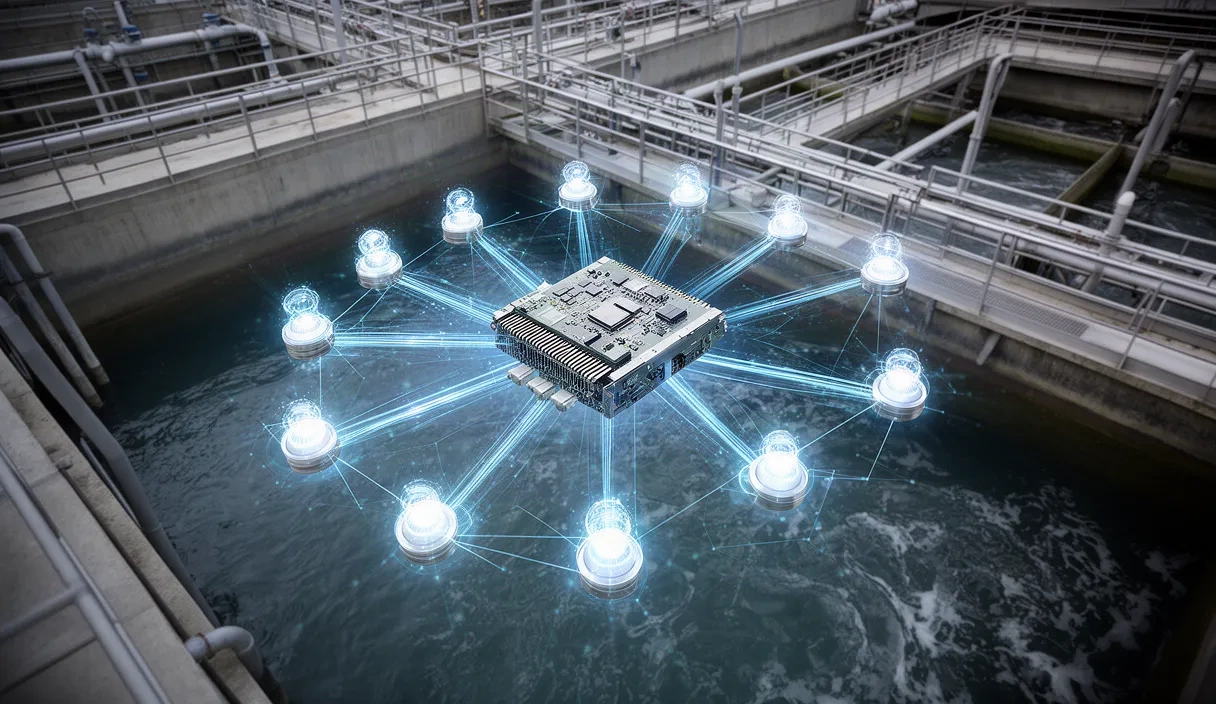
Bringing artificial intelligence into water treatment facilities is revolutionizing how aqual water systems are managed. AI and machine learning algorithms can crunch massive amounts of SCADA data far faster and more accurately than manual oversight.
Predictive Maintenance
AI models sift through historical and real-time sensor data to foresee equipment failures before they happen. By tracking vibration, temperature, and pressure shifts in high-pressure pumps and energy recovery devices, AI can give plant managers a heads-up about mechanical issues. Similarly, it can predict membrane fouling by spotting trends in normalized flux and differential pressure, allowing for proactive CIP scheduling instead of emergency cleaning.
Real-Time System Adjustments
Feed water conditions can change rapidly due to shifting tides, weather, or seasonal algae blooms. AI systems can dynamically adjust plant operations on the fly. If the feed water temperature drops, for instance, the AI can automatically speed up the high-pressure pump to hit target permeate flow, or tweak anti-scalant dosing if it detects an organic load spike. This precise, continuous tuning keeps the plant running at its most efficient point.
Reducing Energy Consumption in Water Treatment Facilities
Energy use makes up the largest chunk of a desalination plant’s operating costs, largely driven by the high-pressure pumps needed for reverse osmosis. Cutting energy consumption is critical for both the bottom line and environmental sustainability.
Utilize Energy Recovery Devices (ERDs)
Modern ERDs can reclaim a huge portion of the energy from the high-pressure brine stream before it’s discharged. Isobaric and rotary ERDs transfer pressure straight from the concentrate to the incoming feed water, drastically shrinking the size and energy demand of the high-pressure pumps.
Install Variable Frequency Drives (VFDs)
VFDs let pumps run at different speeds depending on the exact pressure needs at any given moment. Instead of running pumps at full tilt and throttling flow with valves, VFDs ensure the plant only uses the electrical energy strictly necessary for current conditions.
Optimize with AI-Driven Energy Management
Pairing AI with ERDs and VFDs builds a powerful energy-saving ecosystem. AI algorithms can find the optimal operating point—balancing membrane flux, feed pressure, and recovery rates—to achieve the lowest specific energy consumption (kWh per cubic meter of water) without harming membrane health.
Frequently Asked Questions
What is aqual water optimization in desalination?
Aqual water optimization in desalination is the systematic approach to improving the efficiency, output, and lifespan of all processes within a water treatment plant. It involves fine-tuning pre-treatment, maximizing reverse osmosis membrane performance, reducing energy consumption, and using advanced technologies like AI for real-time system adjustments and predictive maintenance.
How can AI improve reverse osmosis membrane performance?
AI boosts RO membrane performance by constantly analyzing operational data to predict fouling and scaling before they critically damage the system. It enables dynamic, real-time adjustments to feed pressure, flow rates, and chemical dosing based on changing feed water conditions. Plus, AI optimizes Clean-In-Place (CIP) schedules, ensuring membranes are cleaned exactly when necessary, which extends their useful life and maintains high flux rates.
What are the main causes of RO membrane fouling and degradation?
RO membrane fouling and degradation are mainly caused by four factors: particulate fouling (suspended solids and colloids), organic fouling (natural organic matter), biofouling (bacterial growth and biofilm formation), and scaling (precipitation of inorganic salts like calcium carbonate or barium sulfate). Chemical degradation can also happen from exposure to oxidizing agents like chlorine, which damage the polyamide membrane layer.
Conclusion
Optimizing a desalination plant takes a multifaceted approach that bridges mechanical engineering, chemistry, and data science. By prioritizing robust pre-treatment, precise RO membrane management, and AI-driven analytics, plant managers can keep their facilities running at peak efficiency. This doesn’t just lower operational costs and energy consumption—it secures a reliable, sustainable source of fresh water for the future.
Discover how Clewas can transform your desalination plant’s efficiency with AI-driven reverse osmosis optimization. Contact us for a demo.